
-
 The Counseling Lab | Where the future is discovered
Post By:- Admin October 31, 2022
-
 How Is GD Goenka Shaping the Holistic Development of the Students?
Post By:- Admin October 31, 2022
-
 How Does GD Goenka Help Students to Get Clarity About Their Careers?
Post By:- Admin October 31, 2022
-
 LIFE THROUGH A TEENAGER’S EYES | Twisha Sharma (X-B)
Post By:- Admin October 31, 2022
-
 What Role Do Parents Play in Their Child’s School Admissions?
Post By:- Admin October 31, 2022
-
 Steps to Selecting the Right School for Your Kids
Post By:- Admin October 31, 2022
-
 THE REALITY MATRIX
Post By:- Admin October 31, 2022
-
 Building A Great Future for Your Child with The Best School in Town
Post By:- Admin January 15, 2024
-
 Why Aim for The Top 10 Schools for Your Child?
Post By:- Admin January 15, 2024
-
 Everything You Need to Know About GDGPS Admissions
Post By:- Admin January 15, 2024
-
 Choose The Best for Your Child’s Education: A Top 10 CBSE School in Gurgaon
Post By:- Admin January 16, 2024
-
 The Power of Parenting
Post By:- Admin January 03, 2024
-
 Ek Bharat Shreshth Bharat
Post By:- Admin December 09, 2022
-
 Education at Top Educational Institutions: A Road to A Bright and Triumphant Future!
Post By:- Admin January 15, 2024
-
 Choosing The Best +2 School for Brighter Life Prospects
Post By:- Admin January 15, 2024
-
 Nursery Admissions; The Start of a New Chapter in Your Child’s Life
Post By:- Admin January 15, 2024
-
 Admissions in CBSE Schools Commencing - Time to Prep Up
Post By:- Admin January 11, 2023
-
 How to Choose the Best School for Your Child in India?
Post By:- Admin January 15, 2024
-
 6 Benefits of Sending Your Children to A CBSE School
Post By:- Admin February 08, 2023
-
 Gurgaon's Best International Schools for Your Child's Bright Future
Post By:- Admin January 15, 2024
-
 Best Play Schools in India - A Garden for The Little Human Flowers to Bloom!
Post By:- Admin January 15, 2024
-
 Best Cbse Schools in Gurgaon for Class 11: Points to Consider Before Admission!
Post By:- Admin March 28, 2023
-
 How to Find the Best Cbse Schools in Gurgaon
Post By:- Admin January 15, 2024
-
 Best Schools in Gurgaon: Boosting Your Child's Academic Performance
Post By:- Admin January 15, 2024
-
 Steps to Choose the Best School in Gurgaon
Post By:- Admin January 03, 2024
-
 Modernization of Nursery Schools : All You Need to Know
Post By:- Admin May 18, 2023
-
 Qualities That A Good Private CBSE School Should Have
Post By:- Admin May 18, 2023
-
 How to Prepare Your Child for Nursery Admission?
Post By:- Admin January 14, 2024
-
 How to Select the Top Private Schools in Gurgaon?
Post By:- Admin January 03, 2024
-
 Exploring the World of Preschools and CBSE Schools in Gurgaon
Post By:- Admin July 18, 2025
-
 Exploring the Education Landscape: Private Schools in Gurgaon
Post By:- Admin January 14, 2024
-
 Nurturing Young Minds: Exploring the Best Pre-Schools in Gurgaon
Post By:- Admin January 14, 2024
-
 GD Goenka: A Premier Choice Among Private Schools in Gurgaon
Post By:- Admin January 03, 2024
-
 Unlocking Excellence: Top CBSE Schools in Gurgaon
Post By:- Admin January 03, 2024
-
 Top CBSE Schools in Gurgaon: Navigating the Path of NEP 2020 and the National Curriculum
Post By:- Admin January 03, 2024
-
 Navigating Nursery Admissions in Gurgaon: A Glimpse into the Schooling Landscape
Post By:- Admin January 14, 2024
-
Nurturing Young Minds: Preschools and CBSE Schools in Gurgaon Post By:- Admin January 03, 2024
-
 Pre Schools in Gurgaon: Leveraging Play-based Learning for Effective Early Education
Post By:- Admin January 03, 2024
-
 Gateway to knowledge: Insights into CBSE school admission
Post By:- Admin January 03, 2024
-
 How do Top Schools Address Your Child’s Separation Anxiety?
Post By:- Admin January 03, 2024
-
 How do Top Schools Provide Future Guidance and Mentorship?
Post By:- Admin January 03, 2024
-
 Find the right school for your little one: here’s how!
Post By:- Admin January 24, 2024
-
 The Ultimate School Admission Prep for 2024 Session
Post By:- Admin January 24, 2024
-
 Excellence in Education: Unveiling the Legacy of GD Goenka Public School Gurgaon
Post By:- Admin February 22, 2024
-
 Understanding the Role of Class 11 in a Student’s Life
Post By:- Admin February 28, 2024
-
 Fostering Academic Excellence Through Admission in CBSE Schools
Post By:- Admin February 28, 2024
-
 Modern Education System: a Paradigm Shift in Learning Style
Post By:- Admin March 20, 2024
-
 Gurgaon's Best Private Schools: Delivering Excellence
Post By:- Admin March 20, 2024
-
 Navigating School Admissions in Gurgaon: A Guide to the Top Institutions
Post By:- Admin April 23, 2024
-
 Top 10 CBSE Schools in Gurgaon: A Comprehensive Guide
Post By:- Admin April 23, 2024
-
 From Extracurricular to Character: How Gurgaon's Private Schools Create A Stand-Out Profile
Post By:- Admin May 21, 2024
-
 Ensuring Social and Emotional Well-being with the top CBSE Schools in Gurgaon
Post By:- Admin May 23, 2024
-
 CBSE Schools in gurgaon for class 11- Admission Requirements
Post By:- Admin June 27, 2024
-
 Benefits of studying at the best CBSE schools in Gurgaon
Post By:- Admin June 27, 2024
-
 Check Out Top 5 Best Schools in Gurgaon
Post By:- Admin July 15, 2024
-
 Detailed Admission Process of CBSE Schools in Gurgaon For Class XI
Post By:- Admin August 14, 2024
-
 Top CBSE Schools in Gurgaon for Best Education in 2025
Post By:- Admin July 21, 2025
-
 Check Out the List of Top 10 CBSE Schools in India for Class 11
Post By:- Admin September 02, 2024
-
 Know About the Detailed Fee Structure of Schools in Gurgaon
Post By:- Admin September 26, 2024
-
 The Importance of Parent-Teacher Meetings in Preschool
Post By:- Admin September 26, 2024
-
 5+ Tips for Choosing Best Pre Schools in Gurgaon
Post By:- Admin October 18, 2024
-
 5 Tips to Choose Best CBSE Schools in Gurgaon for Class 11
Post By:- Admin October 18, 2024
-
 Why Should Students Consider Changing The Board in Class 11
Post By:- Admin November 21, 2024
-
 Choose One Of The Top 10 Schools Gurgaon for Your Child
Post By:- Admin December 24, 2024
-
 Importance Of Active Parental Involvement in Child's Education
Post By:- Admin December 24, 2024
-
 Focus On These Five Areas When Selecting Your Child's School
Post By:- Admin December 24, 2024
-
 Breaking Myths about Gurgaon School Admission Criteria
Post By:- Admin January 31, 2025
-
 Newest Developments in Early Learning That Parents Need To Know
Post By:- Admin January 31, 2025
-
 Why Choose a CBSE-Affiliated School | GD Goenka School, Sector 48, Gurgaon
Post By:- Admin May 06, 2026
-
 Top Gurgaon Schools Prepping Students for Big Exams!
Post By:- Admin February 24, 2025
-
 The Hows, Whys And Whats Of Nursery Admission in Gurgaon
Post By:- Admin February 24, 2025
-
 Experience Learning Beyond Textbooks at Top Schools in Gurgaon
Post By:- Admin March 24, 2025
-
 How To Go About Shortlisting the Top Schools in Gurgaon
Post By:- Admin March 24, 2025
-
 Guidelines For A Seamless CBSE School Admission Everything You Need To Know
Post By:- Admin April 28, 2025
-
 Common Mistakes To Avoid In Your CBSE School Application
Post By:- Admin April 23, 2025
-
 Top Mistakes to Avoid for a Smooth School Admission Process
Post By:- Admin May 16, 2025
-
 Sailing Middle to High School Transition with Top Schools of Gurgaon
Post By:- Admin May 19, 2025
-
 How Choosing The Best Nursery School Can Benefit Your Child
Post By:- Admin June 30, 2025
-
 How The Top CBSE Schools Can Unlock The Potential Of Your Child
Post By:- Admin June 30, 2025
-
 List Of Best Schools In Gurgaon
Post By:- Admin July 22, 2025
-
 Best Schools in Gurgaon for Nursery Admission
Post By:- Admin July 29, 2025
-
 How Do We Make Learning Fun For Little Minds
Post By:- Admin August 19, 2025
-
 What Sets the Top CBSE Schools in Gurgaon Apart: 5 Must-Have Features
Post By:- Admin August 25, 2025
-
 Top CBSE Schools in Gurgaon: Quality Academics & Beyond
Post By:- Admin September 16, 2025
-
 What You Can Expect at the Top Private Schools in Gurgaon
Post By:- Admin September 16, 2025
-
 How Schools in Gurgaon are Shaping the Leaders of Tomorrow
Post By:- Admin October 31, 2025
-
 How the Right School Environment Transforms Young Minds
Post By:- Admin October 31, 2025
-
 What Makes CBSE Schools the Best Choice for Your Child's Future
Post By:- Admin November 18, 2025
-
 How to Secure a Seat at the Best CBSE Schools in Delhi: Step-by-Step Admission Guide
Post By:- Admin November 20, 2025
-
 Why GD Goenka Gurgaon Ranks Among the Best CBSE Private Schools
Post By:- Admin December 26, 2025
-
 How Early Education at GD Goenka Builds the Foundation for Lifelong Success
Post By:- Admin January 27, 2026
-
 From Classroom to Career: Inspiring Alumni Journeys from School to Startups Profession
Post By:- Admin January 27, 2026
-
 Inside the GD Goenka Learning Model: What Makes Our Curriculum Truly Stand Out
Post By:- Admin January 27, 2026
-
 How Collaborative and Student-Centric Learning Helps Build Confidence and Critical Thinking
Post By:- Admin January 27, 2026
-
 How GD Goenka School Builds Leadership and Career Skills in Students
Post By:- Admin February 24, 2026
-
 Learning Beyond Textbooks: How GD Goenka Encourages Experiential Education
Post By:- Admin February 24, 2026
-
 How a Positive School Culture Helps Develop Lifelong Skills in Students
Post By:- Admin March 27, 2026
-
 Why a Nurturing School Environment Is Essential for Young Childrens Development
Post By:- Admin March 27, 2026
-
 Conceptual Learning vs Rote Learning: Why NEP 2020 is Important for Your Childs Future
Post By:- Admin May 22, 2026
-
 Why GD Goenka Gurgaon is One of the Best Schools in Gurgaon for Students
Post By:- Admin May 22, 2026
-
 How Passion, Purpose, and Motivation Drive Student Success in School
Post By:- Admin June 29, 2026
-
 How to the Right Stream After Class 10 for a Successful Career
Post By:- Admin June 29, 2026
-
 Inquiry-Based Learning: How Asking Questions Develops Critical Thinking Skills
Post By:- Admin July 22, 2026
-
 AI in Education: How Artificial Intelligence Is Transforming Classrooms
Post By:- Admin July 22, 2026
-
 Helping Children Build a Growth Mindset Through Everyday Learning
Post By:- Admin August 24, 2026
-
 Why Gurgaon Parents Trust GD Goenka Public School Sector 48: The First Choice for Quality Education
Post By:- Admin August 24, 2026
-
 Importance of Critical Thinking in School Education: Skills Every Student Needs
Post By:- Admin September 17, 2026
-
 The Science Behind Play-Based Learning in Early Education
Post By:- Admin September 25, 2026
-
 Growth Mindset in Children: How Mistakes Help Kids Learn and Grow
Post By:- Admin October 14, 2026
-
 How the CBSE Curriculum Prepares Students for Competitive Exams
Post By:- Admin October 14, 2026
-
 Understanding Emotional Needs in Children: Beyond Anxiety and Supporting Healthy Development
Post By:- Admin November 20, 2026
-
 Positive Discipline for Children: How to Raise Responsible and Confident Kids
Post By:- Admin November 20, 2026
Positive Discipline for Children: How to Raise Responsible and Confident Kids
Post By:- Admin November 20, 2026
Picture a school morning: one shoe missing, a lunchbox forgotten, and a small voice insisting it was nobody's fault. Most parents feel the urge to raise their voice. Yet the calmest homes are not the strictest ones. They are the ones where youngsters learn that rules exist to protect, never to frighten. That gentle shift in thinking begins at the breakfast table. It then travels with young minds through the school gates, where a caring classroom can strengthen every lesson learnt at home. Getting this partnership right matters as the nursery admissions season arrives, since, it quietly shapes capable, self-assured kids. Wondering how you can instill positive discipline in kids and raise them into confident and responsible adults? Here's a guide on the subject matter!
Understanding the Purpose of Positive Discipline
Discipline is not about punishing children for what they can’t do, but about helping them learn what they can do. - Lori Petro. So true! Isn’t it? The word discipline traces back to a Latin root meaning instruction, which hints at its true essence. When children are punished, they resolve to be more careful, not obedient or responsible. A scolded toddler learns to hide his mistakes. A guided one learns to admit and rectify them. One lesson plants fear; the other grows character. When little ones feel safe acknowledging mistakes, it reflects in their honesty.
How Schools Turn Positive Discipline into Daily Habits
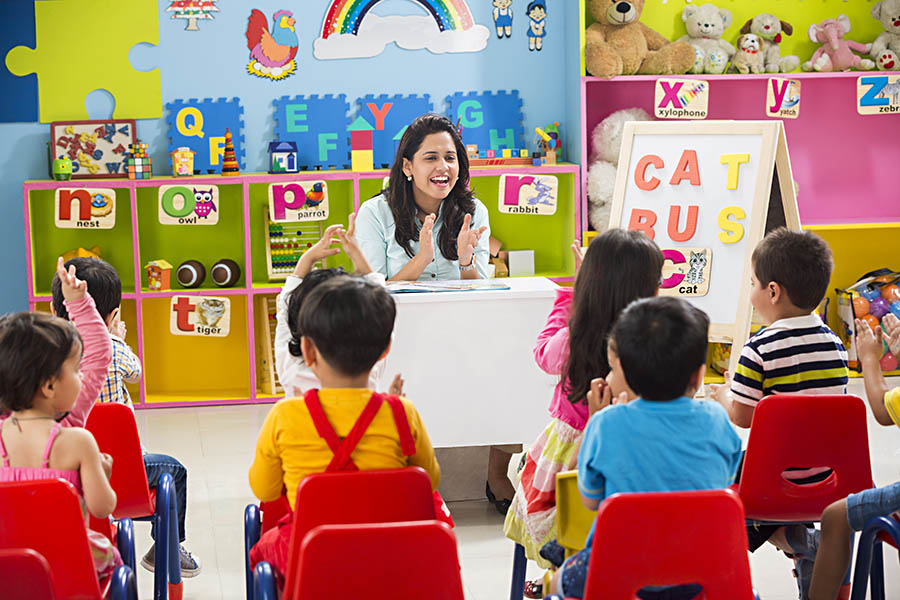
Parents lay the foundation, yet the top schools in Delhi NCR add the framework. Children spend a large part of their day among teachers and classmates. Here, a lesson spoken at home gets practiced in real situations: waiting for a turn, resolving a quarrel, owning a mistake before an audience of peers. Shared class agreements give students a voice in setting the rules. Consistent, calm responses from every staff member and restorative conversations turn a mishap into a moment of reflection, and regular parent-teacher dialogue keeps both sides aligned on expectations. When home and campus speak in the same gentle, firm tone, a youngster feels secure enough to stumble and try again.
Building Responsibility Through Everyday Boundaries
Positive discipline works best when children understand that freedom comes with responsibility. Clear boundaries provide structure, while a gentle approach allows them to learn through experience.
Parents and educators can encourage these habits through simple practices:
● Offer age-appropriate choices. "Would you like to read first or draw first?" gives children a sense of control within safe limits.
● Acknowledge emotions. “You are upset, and pushing is still not allowed in our class.”
● Introduce natural consequences. Let natural outcomes speak without a long lecture: “A forgotten project means working on it during free time.”
● Educators celebrate effort aloud. They acknowledge persistence and kindness in front of the group, not only top marks.
Moreover, predictable routines help too. A familiar morning assembly and consistent expectations let young learners know what comes next.
Choosing a School that Echoes Your Values
If you wonder: how can I tell whether a school practises positive discipline rather than punishment? Or what should I observe during a campus visit to judge how teachers build confidence in young learners? Well, while choosing a school, look beyond rankings and notice how teachers treat students’ mistakes and instill discipline. Watch how an educator kneels to a pupil's eye level. Listen to the tone drifting through the corridor before finalising a school for the nursery admissions. Those details reveal a lot about the learning environment.
Give Children the Right Environment to Grow
While comparing the top schools in Delhi NCR, words on a brochure cannot replace the feeling of walking through a warm, respectful campus. VisitGD Goenka Public School, Sector 48, Gurgaon to meet tutors who inculcate discipline in every learner with patience and purpose. Book a visit today and watch your little one's self-regulation take root.
FAQs
What is positive discipline, and how does it help children develop?
Positive discipline is a respectful method that teaches self-control, empathy, and problem solving through guidance rather than fear. Rules are explained, feelings are acknowledged, and errors become lessons. Over time, youngsters learn to manage emotions, own their choices, and cooperate with peers, which builds lasting self-esteem.
How can teachers encourage responsibility and independence among students?
Educators can assign rotating classroom roles such as class monitor or head girl, and offer choices in activities to build ownership. Reflective prompts like "what could you try next time?" nurture thinking, while stepping back at the right moment lets learners solve small problems themselves.
What classroom strategies help children learn accountability and respect for others?
Mutually created class agreements give students a stake in the rules. Circle time invites everyone to speak and listen. Logical consequences, such as helping repair a mess one made, link action to outcome. Role play of sharing and turn taking, plus a calm corner for cooling down, strengthens empathy and self-regulation.
How can positive discipline improve teacher-student relationships?
It replaces power struggles with trust. Students who feel heard are likelier to ask for help and admit confusion. Teachers spend less energy managing behaviour and more on inspiring curiosity. A consistent, courteous tone makes the classroom feel safe, and that is where real learning thrives.
