
-
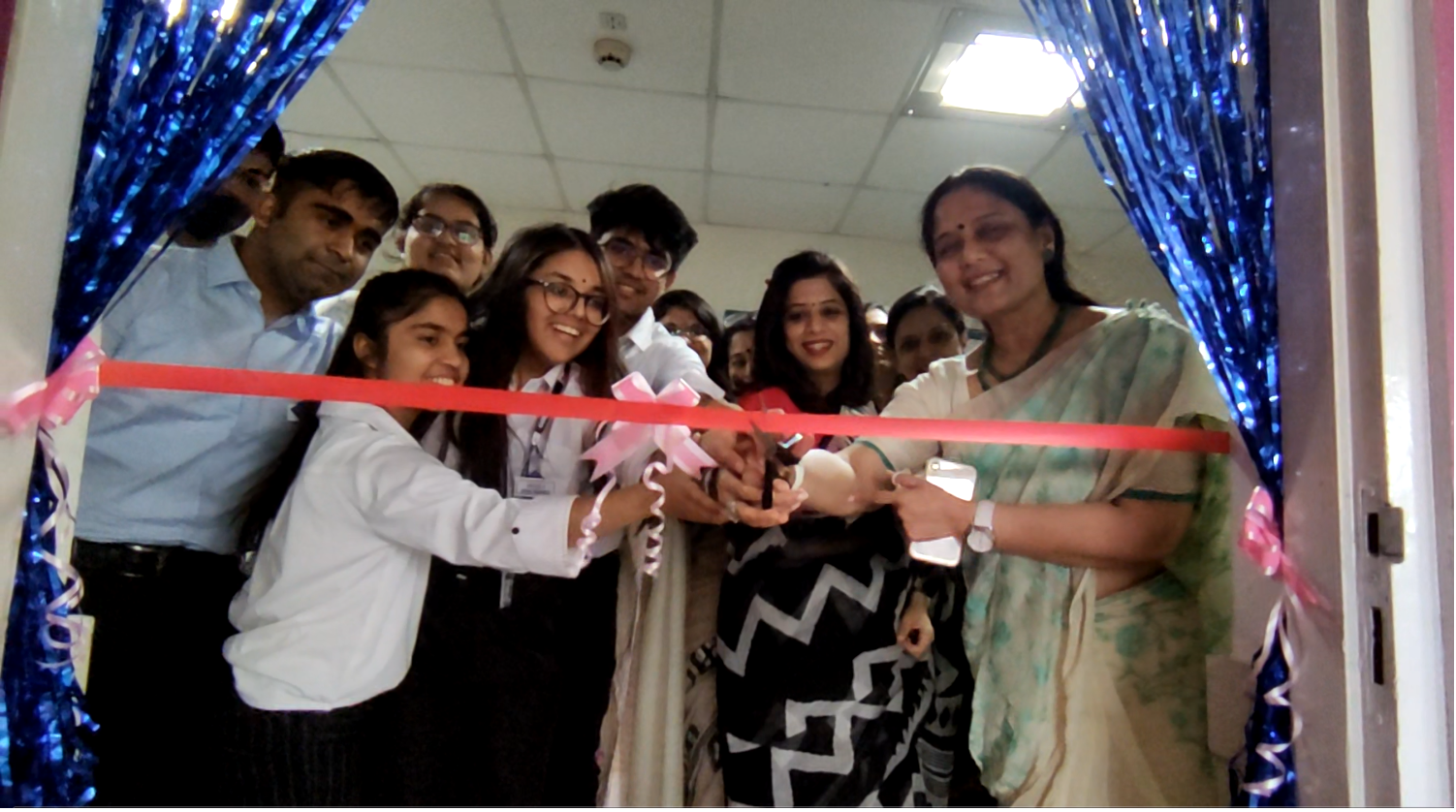 The Counseling Lab | Where the future is discovered
Post By:- Admin October 31, 2022
-
 How Is GD Goenka Shaping the Holistic Development of the Students?
Post By:- Admin October 31, 2022
-
 How Does GD Goenka Help Students to Get Clarity About Their Careers?
Post By:- Admin October 31, 2022
-
 LIFE THROUGH A TEENAGER’S EYES | Twisha Sharma (X-B)
Post By:- Admin October 31, 2022
-
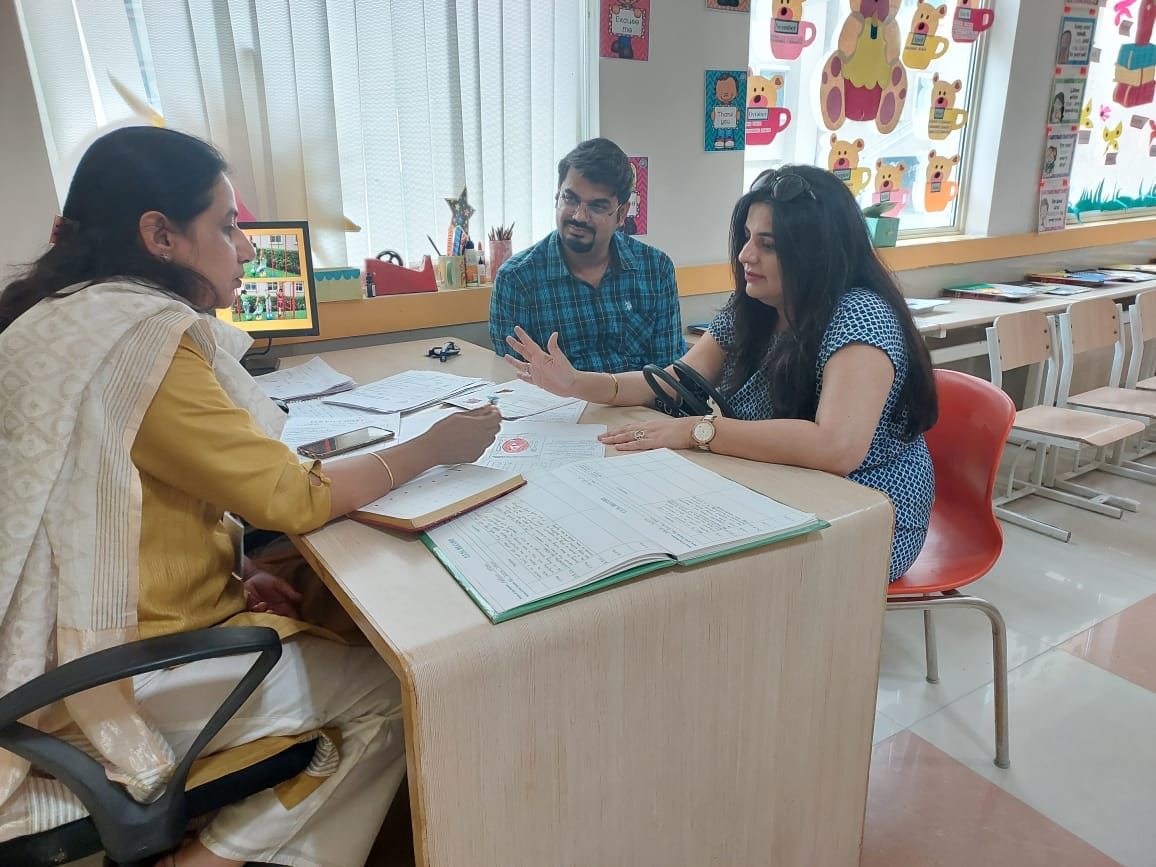 What Role Do Parents Play in Their Child’s School Admissions?
Post By:- Admin October 31, 2022
-
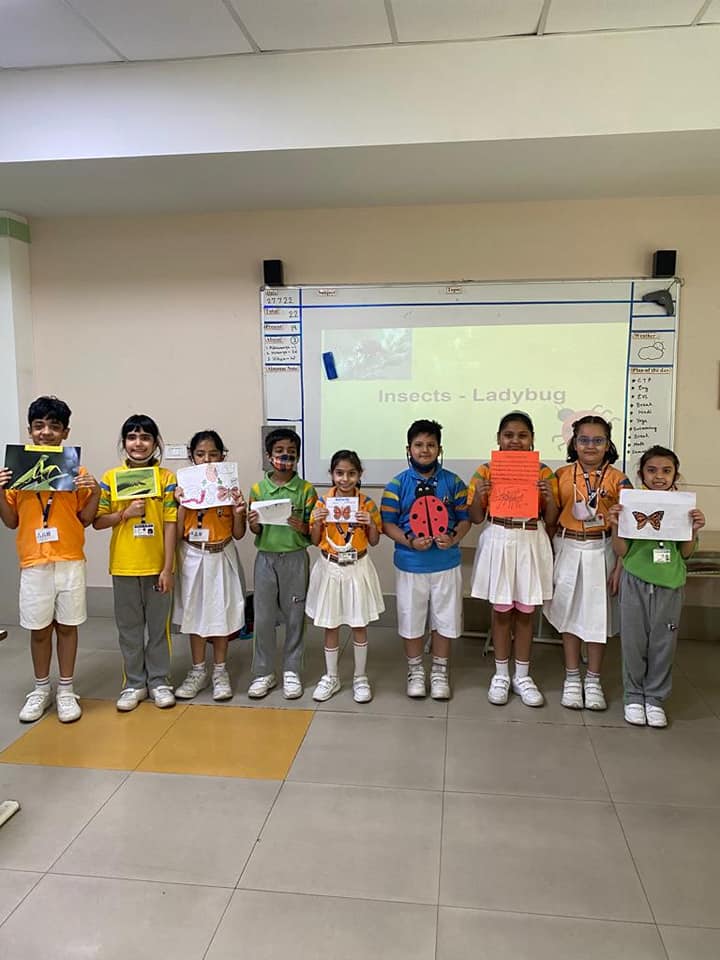 Steps to Selecting the Right School for Your Kids
Post By:- Admin October 31, 2022
-
 THE REALITY MATRIX
Post By:- Admin October 31, 2022
-
 Building A Great Future for Your Child with The Best School in Town
Post By:- Admin January 15, 2024
-
 Why Aim for The Top 10 Schools for Your Child?
Post By:- Admin January 15, 2024
-
 Everything You Need to Know About GDGPS Admissions
Post By:- Admin January 15, 2024
-
 Choose The Best for Your Child’s Education: A Top 10 CBSE School in Gurgaon
Post By:- Admin January 16, 2024
-
 The Power of Parenting
Post By:- Admin January 03, 2024
-
 Ek Bharat Shreshth Bharat
Post By:- Admin December 09, 2022
-
 Education at Top Educational Institutions: A Road to A Bright and Triumphant Future!
Post By:- Admin January 15, 2024
-
 Choosing The Best +2 School for Brighter Life Prospects
Post By:- Admin January 15, 2024
-
 Nursery Admissions; The Start of a New Chapter in Your Child’s Life
Post By:- Admin January 15, 2024
-
 Admissions in CBSE Schools Commencing - Time to Prep Up
Post By:- Admin January 11, 2023
-
 How to Choose the Best School for Your Child in India?
Post By:- Admin January 15, 2024
-
 6 Benefits of Sending Your Children to A CBSE School
Post By:- Admin February 08, 2023
-
 Gurgaon's Best International Schools for Your Child's Bright Future
Post By:- Admin January 15, 2024
-
 Best Play Schools in India - A Garden for The Little Human Flowers to Bloom!
Post By:- Admin January 15, 2024
-
 Best Cbse Schools in Gurgaon for Class 11: Points to Consider Before Admission!
Post By:- Admin March 28, 2023
-
 How to Find the Best Cbse Schools in Gurgaon
Post By:- Admin January 15, 2024
-
 Best Schools in Gurgaon: Boosting Your Child's Academic Performance
Post By:- Admin January 15, 2024
-
 Steps to Choose the Best School in Gurgaon
Post By:- Admin January 03, 2024
-
 Modernization of Nursery Schools : All You Need to Know
Post By:- Admin May 18, 2023
-
 Qualities That A Good Private CBSE School Should Have
Post By:- Admin May 18, 2023
-
 How to Prepare Your Child for Nursery Admission?
Post By:- Admin January 14, 2024
-
 How to Select the Top Private Schools in Gurgaon?
Post By:- Admin January 03, 2024
-
 Exploring the World of Preschools and CBSE Schools in Gurgaon
Post By:- Admin July 18, 2025
-
 Exploring the Education Landscape: Private Schools in Gurgaon
Post By:- Admin January 14, 2024
-
 Nurturing Young Minds: Exploring the Best Pre-Schools in Gurgaon
Post By:- Admin January 14, 2024
-
 GD Goenka: A Premier Choice Among Private Schools in Gurgaon
Post By:- Admin January 03, 2024
-
 Unlocking Excellence: Top CBSE Schools in Gurgaon
Post By:- Admin January 03, 2024
-
 Top CBSE Schools in Gurgaon: Navigating the Path of NEP 2020 and the National Curriculum
Post By:- Admin January 03, 2024
-
 Navigating Nursery Admissions in Gurgaon: A Glimpse into the Schooling Landscape
Post By:- Admin January 14, 2024
-
Nurturing Young Minds: Preschools and CBSE Schools in Gurgaon Post By:- Admin January 03, 2024
-
 Pre Schools in Gurgaon: Leveraging Play-based Learning for Effective Early Education
Post By:- Admin January 03, 2024
-
 Gateway to knowledge: Insights into CBSE school admission
Post By:- Admin January 03, 2024
-
 How do Top Schools Address Your Child’s Separation Anxiety?
Post By:- Admin January 03, 2024
-
 How do Top Schools Provide Future Guidance and Mentorship?
Post By:- Admin January 03, 2024
-
 Find the right school for your little one: here’s how!
Post By:- Admin January 24, 2024
-
 The Ultimate School Admission Prep for 2024 Session
Post By:- Admin January 24, 2024
-
 Excellence in Education: Unveiling the Legacy of GD Goenka Public School Gurgaon
Post By:- Admin February 22, 2024
-
 Understanding the Role of Class 11 in a Student’s Life
Post By:- Admin February 28, 2024
-
 Fostering Academic Excellence Through Admission in CBSE Schools
Post By:- Admin February 28, 2024
-
 Modern Education System: a Paradigm Shift in Learning Style
Post By:- Admin March 20, 2024
-
 Gurgaon's Best Private Schools: Delivering Excellence
Post By:- Admin March 20, 2024
-
 Navigating School Admissions in Gurgaon: A Guide to the Top Institutions
Post By:- Admin April 23, 2024
-
 Top 10 CBSE Schools in Gurgaon: A Comprehensive Guide
Post By:- Admin April 23, 2024
-
 From Extracurricular to Character: How Gurgaon's Private Schools Create A Stand-Out Profile
Post By:- Admin May 21, 2024
-
 Ensuring Social and Emotional Well-being with the top CBSE Schools in Gurgaon
Post By:- Admin May 23, 2024
-
 CBSE Schools in gurgaon for class 11- Admission Requirements
Post By:- Admin June 27, 2024
-
 Benefits of studying at the best CBSE schools in Gurgaon
Post By:- Admin June 27, 2024
-
 Check Out Top 5 Best Schools in Gurgaon
Post By:- Admin July 15, 2024
-
 Detailed Admission Process of CBSE Schools in Gurgaon For Class XI
Post By:- Admin August 14, 2024
-
 Top CBSE Schools in Gurgaon for Best Education in 2025
Post By:- Admin July 21, 2025
-
 Check Out the List of Top 10 CBSE Schools in India for Class 11
Post By:- Admin September 02, 2024
-
 Know About the Detailed Fee Structure of Schools in Gurgaon
Post By:- Admin September 26, 2024
-
 The Importance of Parent-Teacher Meetings in Preschool
Post By:- Admin September 26, 2024
-
 5+ Tips for Choosing Best Pre Schools in Gurgaon
Post By:- Admin October 18, 2024
-
 5 Tips to Choose Best CBSE Schools in Gurgaon for Class 11
Post By:- Admin October 18, 2024
-
 Why Should Students Consider Changing The Board in Class 11
Post By:- Admin November 21, 2024
-
 Choose One Of The Top 10 Schools Gurgaon for Your Child
Post By:- Admin December 24, 2024
-
 Importance Of Active Parental Involvement in Child's Education
Post By:- Admin December 24, 2024
-
 Focus On These Five Areas When Selecting Your Child's School
Post By:- Admin December 24, 2024
-
 Breaking Myths about Gurgaon School Admission Criteria
Post By:- Admin January 31, 2025
-
 Newest Developments in Early Learning That Parents Need To Know
Post By:- Admin January 31, 2025
-
 Why Choose a CBSE-Affiliated School | GD Goenka School, Sector 48, Gurgaon
Post By:- Admin May 06, 2026
-
 Top Gurgaon Schools Prepping Students for Big Exams!
Post By:- Admin February 24, 2025
-
 The Hows, Whys And Whats Of Nursery Admission in Gurgaon
Post By:- Admin February 24, 2025
-
 Experience Learning Beyond Textbooks at Top Schools in Gurgaon
Post By:- Admin March 24, 2025
-
 How To Go About Shortlisting the Top Schools in Gurgaon
Post By:- Admin March 24, 2025
-
 Guidelines For A Seamless CBSE School Admission Everything You Need To Know
Post By:- Admin April 28, 2025
-
 Common Mistakes To Avoid In Your CBSE School Application
Post By:- Admin April 23, 2025
-
 Top Mistakes to Avoid for a Smooth School Admission Process
Post By:- Admin May 16, 2025
-
 Sailing Middle to High School Transition with Top Schools of Gurgaon
Post By:- Admin May 19, 2025
-
 How Choosing The Best Nursery School Can Benefit Your Child
Post By:- Admin June 30, 2025
-
 How The Top CBSE Schools Can Unlock The Potential Of Your Child
Post By:- Admin June 30, 2025
-
 List Of Best Schools In Gurgaon
Post By:- Admin July 22, 2025
-
 Best Schools in Gurgaon for Nursery Admission
Post By:- Admin July 29, 2025
-
 How Do We Make Learning Fun For Little Minds
Post By:- Admin August 19, 2025
-
 What Sets the Top CBSE Schools in Gurgaon Apart: 5 Must-Have Features
Post By:- Admin August 25, 2025
-
 Top CBSE Schools in Gurgaon: Quality Academics & Beyond
Post By:- Admin September 16, 2025
-
 What You Can Expect at the Top Private Schools in Gurgaon
Post By:- Admin September 16, 2025
-
 How Schools in Gurgaon are Shaping the Leaders of Tomorrow
Post By:- Admin October 31, 2025
-
 How the Right School Environment Transforms Young Minds
Post By:- Admin October 31, 2025
-
 What Makes CBSE Schools the Best Choice for Your Child's Future
Post By:- Admin November 18, 2025
-
 How to Secure a Seat at the Best CBSE Schools in Delhi: Step-by-Step Admission Guide
Post By:- Admin November 20, 2025
-
 Why GD Goenka Gurgaon Ranks Among the Best CBSE Private Schools
Post By:- Admin December 26, 2025
-
 How Early Education at GD Goenka Builds the Foundation for Lifelong Success
Post By:- Admin January 27, 2026
-
 From Classroom to Career: Inspiring Alumni Journeys from School to Startups Profession
Post By:- Admin January 27, 2026
-
 Inside the GD Goenka Learning Model: What Makes Our Curriculum Truly Stand Out
Post By:- Admin January 27, 2026
-
 How Collaborative and Student-Centric Learning Helps Build Confidence and Critical Thinking
Post By:- Admin January 27, 2026
-
 How GD Goenka School Builds Leadership and Career Skills in Students
Post By:- Admin February 24, 2026
-
 Learning Beyond Textbooks: How GD Goenka Encourages Experiential Education
Post By:- Admin February 24, 2026
-
 How a Positive School Culture Helps Develop Lifelong Skills in Students
Post By:- Admin March 27, 2026
-
 Why a Nurturing School Environment Is Essential for Young Childrens Development
Post By:- Admin March 27, 2026
-
 Conceptual Learning vs Rote Learning: Why NEP 2020 is Important for Your Childs Future
Post By:- Admin May 22, 2026
-
 Why GD Goenka Gurgaon is One of the Best Schools in Gurgaon for Students
Post By:- Admin May 22, 2026
-
 How Passion, Purpose, and Motivation Drive Student Success in School
Post By:- Admin June 29, 2026
-
 How to the Right Stream After Class 10 for a Successful Career
Post By:- Admin June 29, 2026
-
 Inquiry-Based Learning: How Asking Questions Develops Critical Thinking Skills
Post By:- Admin July 22, 2026
-
 AI in Education: How Artificial Intelligence Is Transforming Classrooms
Post By:- Admin July 22, 2026
-
 Helping Children Build a Growth Mindset Through Everyday Learning
Post By:- Admin August 24, 2026
-
 Why Gurgaon Parents Trust GD Goenka Public School Sector 48: The First Choice for Quality Education
Post By:- Admin August 24, 2026
-
 Importance of Critical Thinking in School Education: Skills Every Student Needs
Post By:- Admin September 17, 2026
-
 The Science Behind Play-Based Learning in Early Education
Post By:- Admin September 25, 2026
-
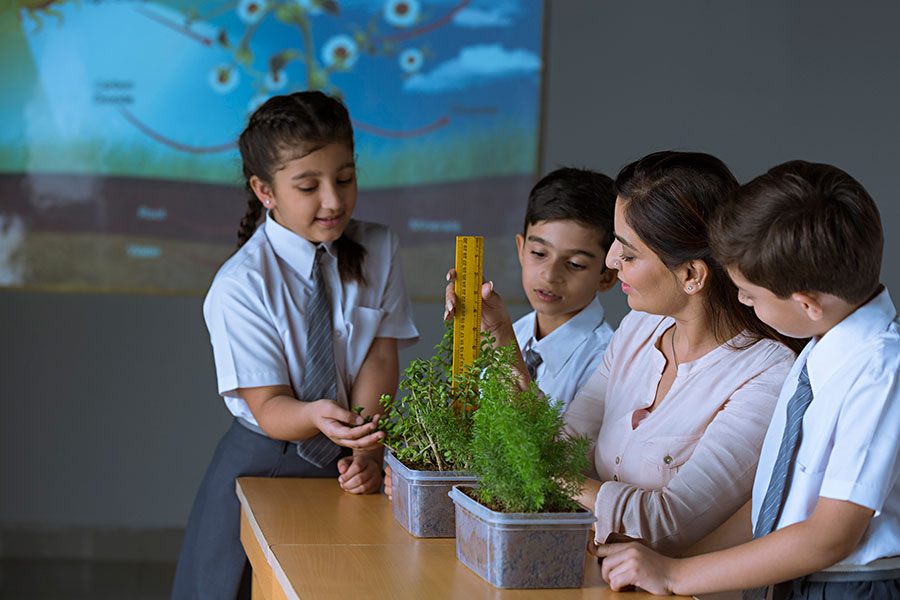 Growth Mindset in Children: How Mistakes Help Kids Learn and Grow
Post By:- Admin October 14, 2026
-
 How the CBSE Curriculum Prepares Students for Competitive Exams
Post By:- Admin October 14, 2026
-
 Understanding Emotional Needs in Children: Beyond Anxiety and Supporting Healthy Development
Post By:- Admin November 20, 2026
-
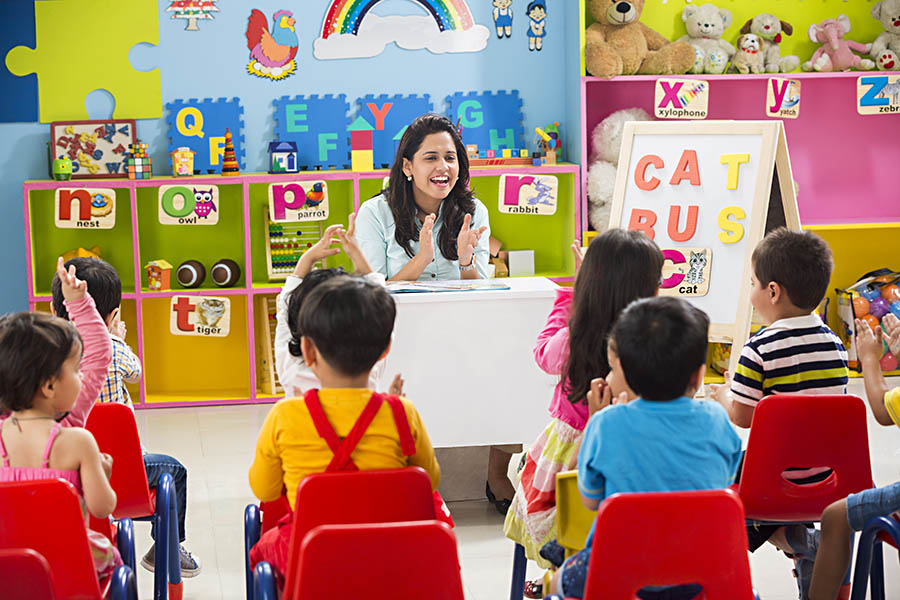 Positive Discipline for Children: How to Raise Responsible and Confident Kids
Post By:- Admin November 20, 2026
Understanding Emotional Needs in Children: Beyond Anxiety and Supporting Healthy Development
Post By:- Admin November 20, 2026
While anxiety remains a well-recognized concern, children actually experience a variety of emotions these days, including confusion, fear of failure, loneliness, and frustration. Therefore, the top 10 CBSE schools in Gurgaon focus on understanding the emotional needs of students and supporting healthy development by practicing active listening, creating a safe and inclusive space, and encouraging open communication. In this world that’s evolving so fast, schools don’t just emphasize academic excellence; they also prioritize the holistic development of children. That’s exactly why emotional well-being and the development of students are the responsibility of educational institutions.
Still thinking: how can schools support emotional development in children? Read on to discover!
What Actually Is Emotional Development in Children?
Emotional development is all about the ability of children to recognize, express, and effectively manage their emotions. From building emotional awareness to developing meaningful connections and self-regulation, it involves everything.
What are the Different Stages of Emotional Development in Children?
Children experience a wide range of emotions across different stages. Here’s a glance:
Stages - Emotional Development
Infancy - Express fear, joy, and distress through crying, laughing, and facial expressions.
Toddler - Begin recognizing emotions and learn about their boundaries.
Preschooler - Develop empathy, learn to manage emotions, and understand the feelings of others.
School Age - Become more aware of social expectations and learn better emotional regulation.
Adolescence - Go through intense emotional changes and require quality support.
What are the Key Emotional Needs of Children?
The core emotional needs of most children include:
· Safety and stability
· Connection and belongingness
· Acceptance and validation
· Positive attention and encouragement
· Age-appropriate independence
Why Are Emotional Needs Important for Healthy Child Development?
Are you wondering why understanding the emotional needs of children matters? Take a look at the key reasons:
#1 Impacts Social Skills
Undeniably, emotions have a big role to play in building social skills. Children with healthy emotional development are more likely to cooperate with others, form positive relationships, and resolve conflicts better. As a result, navigating through complex social environments, be it in the family, school, or community, becomes easier. That’s why the best schools in Gurgaon are laying more and more emphasis on understanding and developing the emotional health of students.
#2 Affects Academic Success
Ignoring the emotional needs of children can have a negative impact on academic success. While this fact may sound surprising, it’s actually true. A child who is emotionally secure tends to be more disciplined, focused, and capable of engaging in classroom activities. All these positively lead to greater academic success in the long run.
#3 Builds Resilience
In this highly competitive world, challenges are inevitable. Understanding the emotional needs of children and supporting them helps develop resilience in them, allowing them to bounce back from setbacks or failures and face challenges confidently.
How Can Schools Promote Healthy Emotional Development of Students?
Wondering how schools can support the emotional needs of children? The top 10 CBSE schools in Gurgaon don’t just fulfil the academic needs of students; they also contribute to emotional development. Here’s how they help!
#1 Create a Safe and Inclusive Classroom
The best schools in Gurgaon have a well-balanced teacher-student ratio, ensuring personalized attention for every student. This approach fosters a sense of belonging among children and helps them freely express their emotions and feelings.
#2 Model Emotional Regulation
Teachers can undoubtedly be the best models for students to replicate. The educators of the top 10 CBSE schools in Gurgaon are compassionate mentors who model positive emotional and social behaviors and attitudes every day. They provide thoughtful guidance to the learners and help them build emotional intelligence effectively.
#3 Encourage Extracurricular Activities
Extracurricular activities often allow students to develop emotional resilience and confidence. The reputed schools in Gurgaon have co-scholastic programs in place that help identify and build the specific areas of interest of the students. This, in turn, empowers children to cope with academic pressure, gain self-control, and process feelings better.
Conclusion
The significance of recognizing the emotional needs of children cannot be undermined. Are you looking for schools in Gurgaon where the emotional well-being of students is prioritized?GD Goenka Public School, Sector-48, Gurugram is the best option. Ranked among the top 10 CBSE schools in Gurgaon, this educational institution focuses on holistic development and transforms young learners into future-ready individuals.
FAQs
How Can Schools Support Children Who Struggle with Social Interaction?
Schools can provide quality support to children struggling with social interaction by offering them a safe and inclusive classroom environment, encouraging them to participate in group activities, and promoting structured skill development.
Why Should Emotional Development Be Part of Early Childhood Education?
Emotional development must be a part of early childhood education as it lays a solid foundation for self-regulation, healthy relationships, and lifelong mental health. Moreover, it also contributes to academic success.
How Can Schools Help Children Manage Anxiety and Academic Stress?
The top 10 CBSE schools in Gurgaon help children deal with academic stress and anxiety by guiding them to understand the fundamental concepts instead of rote learning and encouraging participation in different extracurricular activities.
What Classroom Practices Help Children Feel Included and Valued?
The key classroom practices include:
· Individualized attention to students
· Co-creation of class norms
· Active listening
· Cooperative interactions
